Our Methods
How did we analyse the samples?
Chemical Methods.
Analysis of specific chemicals was conducted to reflect indicators of pollution and of general water components along with suitability for safe processing by volunteers and a calculation of costs and resources. Portable and handheld instruments were used with calibration checks to ensure accuracy and precision. The specific tests conducted are listed below.

Test Instruments


Microbiological Methods
Presence of microorganisms was assessed by standard plating on selective agar media as a recommended method for coliform bacteria. Colonies of coliform bacteria stain red in contrast to other bacteria. From September 2025 the Petrifilm coliform test was adapted as easier to process and interpret as well as providing a definitive count of E. coli as well as total coliform bacteria through colour differences and gas production.

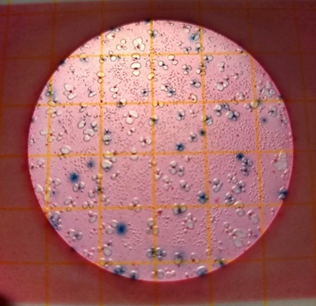
Samples were also assessed in some instances for the presence of Micrococcus bacteria by plating on selective media. Confirmation of bacteria identification was obtained by DNA extraction and PCR sequencing. Authentication of results for phosphate and microbiology was obtained by external, independent analysis by accredited laboratory services. Results indicated a good concordance indicating that the methods used by volunteers were representative.